Purpose
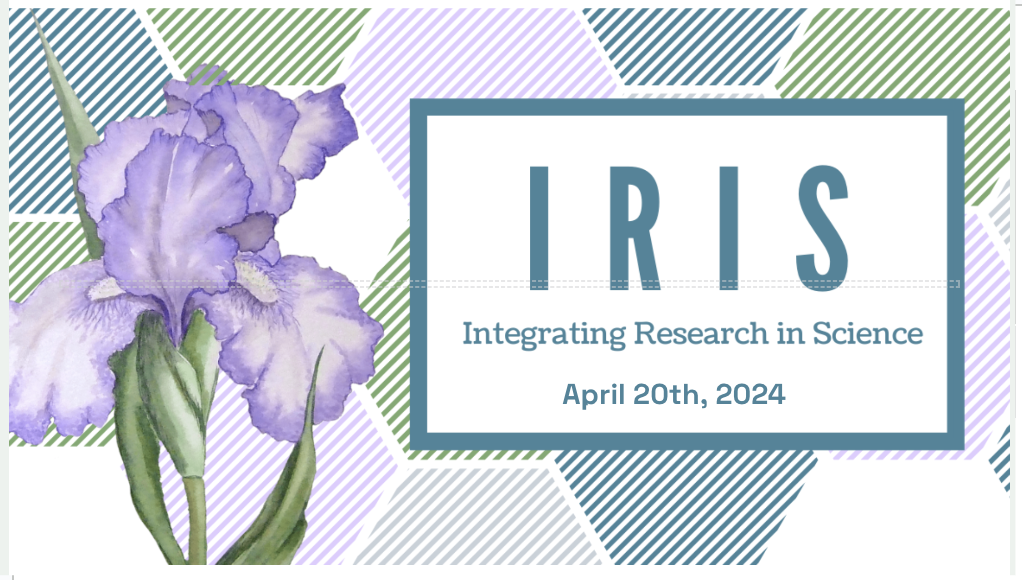
IRIS: Integrating Research in Science, an innovative student-led conference, aims to celebrate interdisciplinary interactions by bringing together the realms of STEM and STEM-related fields. This one-day conference for undergraduates will allow students to promote their research, to network among professors and peers, and to prepare for their academic and professional careers by attending expert panels. By participating in IRIS, students engage in a collaborative environment that harbors values in creating a strong sense of community. Moreover, by bringing many departments and students with different interests together, students will explore new ideas within a diverse range of fields and be able to delve into the rich progress cross-disciplinary interactions have to offer. We wish for attendees to open their mind and break the barriers that margin STEM fields.
Keynote Speaker 2024
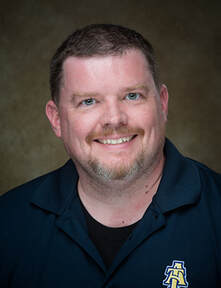
Dr. Nicholas Luke
Professor of Mathematics at North Carolina Agricultural and Technical State University
Ph.D., Applied Mathematics - Computational Mathematics, North Carolina State University
M.S., Applied Mathematics, North Carolina State University
B.S., Mathematics, North Carolina A&T State University
B.S., Applied Mathematics, North Carolina A&T State University
Professor of Mathematics at North Carolina Agricultural and Technical State University
Ph.D., Applied Mathematics - Computational Mathematics, North Carolina State University
M.S., Applied Mathematics, North Carolina State University
B.S., Mathematics, North Carolina A&T State University
B.S., Applied Mathematics, North Carolina A&T State University
"Adventures in Mathmagic Land: An Overview of my Experiences and Lessons Learned in Conducting Interdisciplinary Research"
Many of the recent scientific breakthroughs have been interdisciplinary in nature, and there is considerable support available for future interdisciplinary research efforts. The National Science Foundation (NSF) states that interdisciplinary research “integrates information, data techniques, tools, perspectives, concepts or theories from two or more disciplines or bodies of specialized knowledge”. In this presentation, inspired by the 1959 Disney short "Donald in Mathmagic Land”, I will discuss my personal background and how it has led me to this point in my career. I will present an overview of some of the interdisciplinary research projects that I have completed. Research from the fields of physics, biophysics, pharmacokinetics and pharmacodynamics, and epidemiology will be covered. I will conclude the presentation with some lessons learned and other advice for others who wish to pursue interdisciplinary studies.
Many of the recent scientific breakthroughs have been interdisciplinary in nature, and there is considerable support available for future interdisciplinary research efforts. The National Science Foundation (NSF) states that interdisciplinary research “integrates information, data techniques, tools, perspectives, concepts or theories from two or more disciplines or bodies of specialized knowledge”. In this presentation, inspired by the 1959 Disney short "Donald in Mathmagic Land”, I will discuss my personal background and how it has led me to this point in my career. I will present an overview of some of the interdisciplinary research projects that I have completed. Research from the fields of physics, biophysics, pharmacokinetics and pharmacodynamics, and epidemiology will be covered. I will conclude the presentation with some lessons learned and other advice for others who wish to pursue interdisciplinary studies.
Conference Schedule
- 8:30 - 9:00AM: Registration and Coffee
- 9:00 - 10:00AM: Keynote Speaker
- 10:00 - 10:30AM: Transition/Poster hanging/Oral set up/Coffee break
- 10:30 - 11:30AM: Oral Presentations
- 11:30AM - 12:15PM: Lunch
- 12:15 - 1:30PM: Poster Presentations
- 1:45 - 2:15PM: Graduate School Panel Session
- 2:20-2:50 PM: Industry Panel Session
For more day-of information like directions, presenters, and more, visit the conference page.
Funding acknowledgements
The 2024 IRIS conference is supported by NSF Grant DMS-2151990 , and by the Wake Forest University Student Activity Fee (SAF).
|

|
